BROWNING
FINANCIAL PLANNING
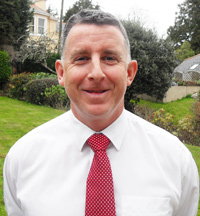
Dominic Browning, Managing Director
Posted by Dominic Browning
14/07/23
News, Resources, Insight and Opinion from Browning Financial Planning

A reminder about our investment charges

Dominic Browning, Managing Director
Posted by Dominic Browning
14/07/23

Intial charges on lump sum and regular premium contributions can have a big impact on long-term returns.

Many firms will charge an initial fee on top-ups as well as new investments. Some also charge withdrawal fees, for them to allow you to access your own funds.

As a reminder, we only charge an initial fee on a new investment recommendation as this is time intensive and involves research and report writing. But that is where it ends.

We do NOT charge any initial fees on regular contributions, top-ups, fund switches, bed and ISA switches and withdrawals, even if it involves setting up complicated, pension income drawdown.

We are proud to offer this, which we think should be the standard for the profession and we hope you appreciate it too.

More News, Insight & Opinion
Flexible ISAs

It is commonplace to search on the internet for the best Cash ISA available. You could be looking for instant access, a fixed term or something else. But providers do not make it very clear whether their product is flexible or not. Continue

Two Big Questions

"Money isn't the most important thing in life, but it's reasonably close to oxygen on the 'got to have it' scale." - Zig Ziglar, motivational speaker. Continue

2-Year Inheritance Tax Scheme

If you give away an asset, you normally have to survive 7 years before the gift is outside your estate for Inheritance Tax (IHT).  Continue

LIFETIME ISAs

We believe that most young people should invest in a lifetime ISA (known as a LISA).  Continue

Diversification versus Asset Allocation

There is a lot of confusion, even amongst financial advisers, about the difference between diversification and asset allocation. Continue

Loan Trusts

A common problem we face is that we want our money to work hard for us, but then we worry that if we do well, the tax man is going to take 40% of it when we die. Continue